

Neighbor to Neighbor: The Lazy Gardener’s Guide to Fall Clean-up
by Alison Powers, Green Beverly Volunteer
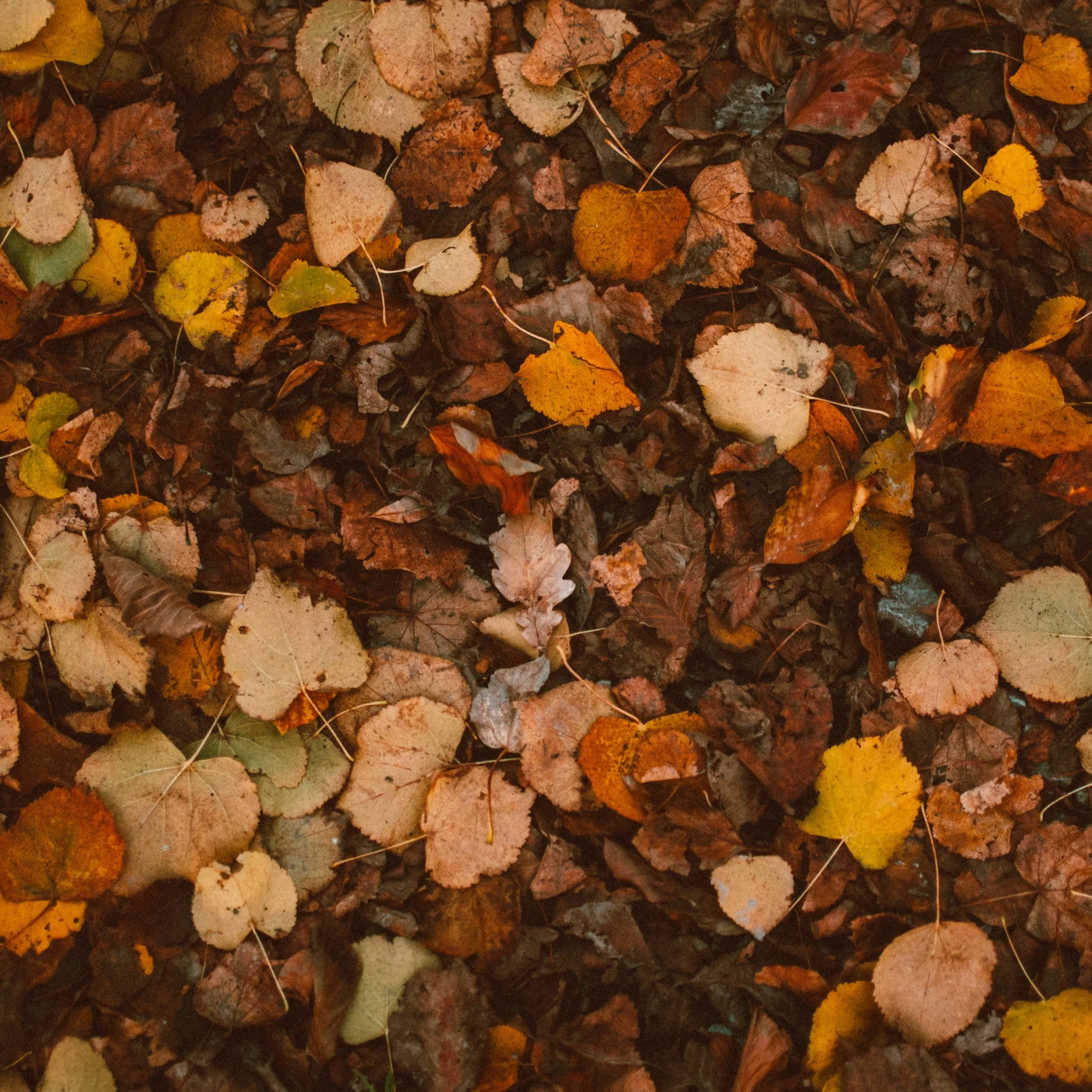
Autumn on the North Shore is unmatched. The salty air turns crisp, the foliage along the Essex Coastal Scenic Byway turns brilliant shades of orange, red, and yellow, and your neighbors begin to perform their annual, exhausting weekend ritual: aggressively dragging plastic claws across their lawns and gardens to round up every single leaf that dared to touch their lawn.
Or worse, they fire up….wait for it….. the Leaf Blower (is that eerie music I hear in the background?).
They will spend hours blistered, deafened, and inhaling gas fumes, cramming those crisp oak and maple leaves into heavy brown paper bags to load into their vehicles to bring to the Standley Street compost site. My ears and back ache just thinking about it!
This year, let’s try an alternative proposal: Don’t. Just Don’t Do It!
Sit on the porch. Drink your coffee. Take in a sunrise or sunset. Watch for migrating Monarch butterflies or the many bird species that pass through the North Shore on their way to warmer climates. Thanks to the "Leave the Leaves" movement backed by state conservation experts at MassWildlife and Mass Audubon (among others), your laziness isn't just justified anymore—it is officially your civic and ecological duty!

Leaf Blowers Are Nature’s Tornadoes (And Your Neighbors May Dislike Them)
Let’s talk about the gas-powered leaf blower. Beyond the fact that it sounds like a jet engine taking off in your driveway at 8:00 AM on a Sunday, it is an ecological disaster zone.
When you blast your yard with what seems like a 200-mph hurricane, you aren’t just moving leaves; you are violently blasting away topsoil, wiping out beneficial microbes, and literally vaporizing the microscopic ecosystem your garden needs to survive. It’s the yard-work equivalent of using a sledgehammer to dust your living room! Put down the machine and consider some alternatives.
Step Away from the Pruners (Mostly)
Many gardeners feel a compulsive need to slice all their perennial flowers down to the dirt the second a frost hits. Some people prefer to have a pristine-looking yard/garden throughout the fall and winter months, with not a shred of evidence left standing from their spring and summer gardens. Resist the urge to chop and remove! Here’s why.
Leaving dead stems standing, such as Coneflowers, Black-Eyed Susans, Bee Balm, and ornamental grasses, among others, is a vital part of maintaining a healthy garden. Those hollow, pithy stems are actually luxury winter condos waiting for residents….rent-free! Dozens of species of native Massachusetts bees, like solitary mason bees and leafcutter bees, crawl inside those hollow stalks to hibernate. If you chop them down and throw them away in October, you are throwing away next year’s bee population.
As a bonus, the dried seed heads double as a natural bird feeder, keeping local goldfinches and others fed through brutal New England January’s.
Let’s Meet a Few of Those North Shore Beneficials Hiding in Your Yard
We all want a healthy, vibrant yard abuzz with pollinators in the spring. Those creatures don’t just magically materialize out of thin air when the ice melts on Norwood Pond. As I mentioned above, there is a whole roster of native Massachusetts wildlife that will use those fallen leaves and healthy standing stalks as a cozy winter blanket. Here are just a few of them:
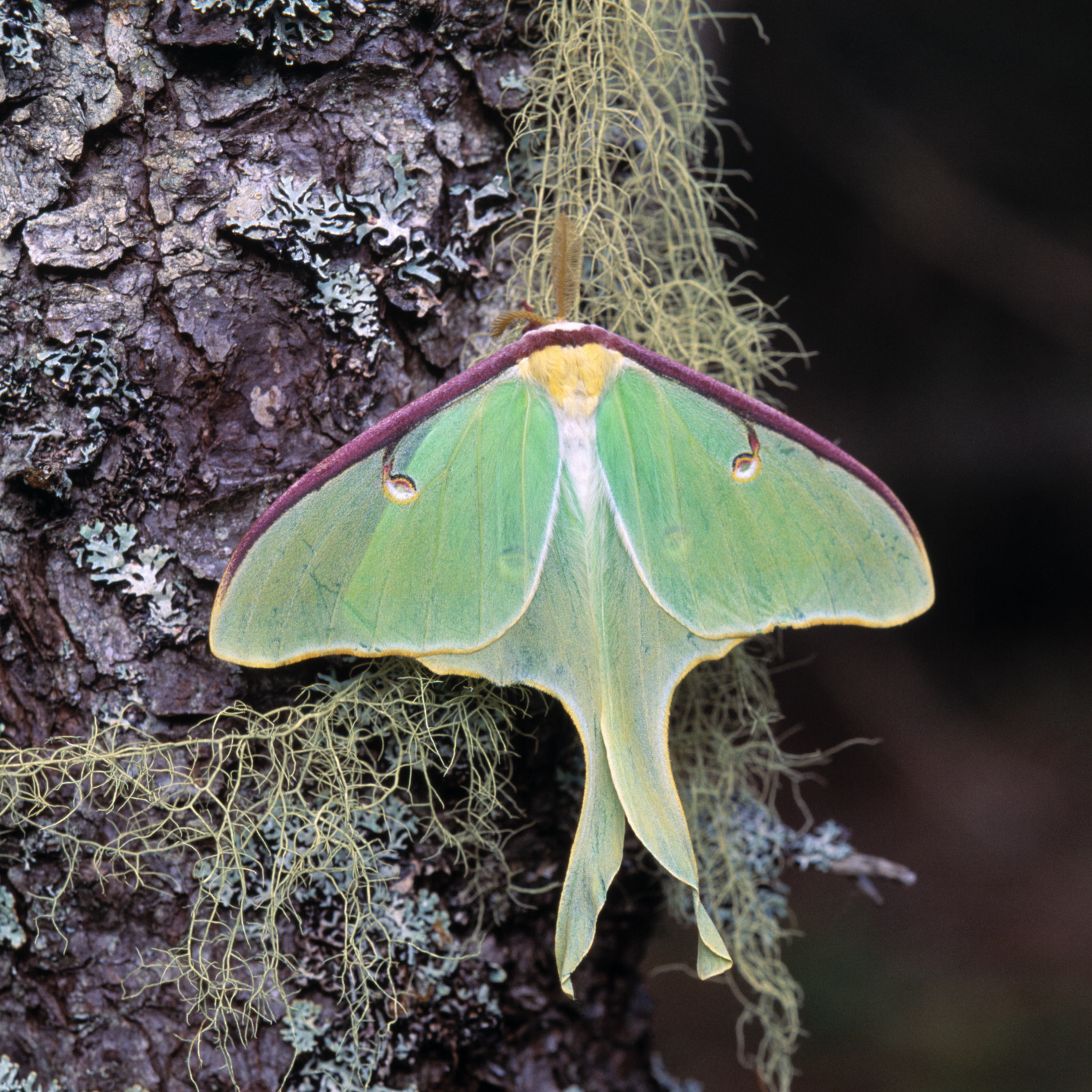
The Luna Moth: Their caterpillars spin silken cocoons that look exactly like dried, brown leaves. When you bag up your leaves, you are literally throwing away next spring’s giant, ethereal green moths.
The Mourning Cloak Butterfly: Unlike monarchs, these striking dark-maroon butterflies don’t fly south. They spend New England winters right here as adults, tucked safely inside leaf piles and brush using natural “antifreeze” chemicals in their blood to survive the freeze.
The Eastern Bumblebee: Only the queen bumblebees survive the winter. They burrow just an inch or two into the soil or under loose debris, relying entirely on a thick blanket of fall leaves to insulate them from blistering coastal Nor’easters.
The American Toad: These bumpy garden helpers tuck themselves deep into damp leaf layers to keep their skin moist and stay safe from winter predators. During the non-winter months, these little critters act as natural pest controllers consuming thousands of harmful insects every summer, protecting your plants without chemical sprays.
Local Songbirds: When our native robins, towhees, and thrushes return in the spring or forage in the winter, a bare garden is a food desert. A thick layer of leaves in your garden (but not on your lawn!) provides a buffet of hidden insects, giving them a vital survival food source.
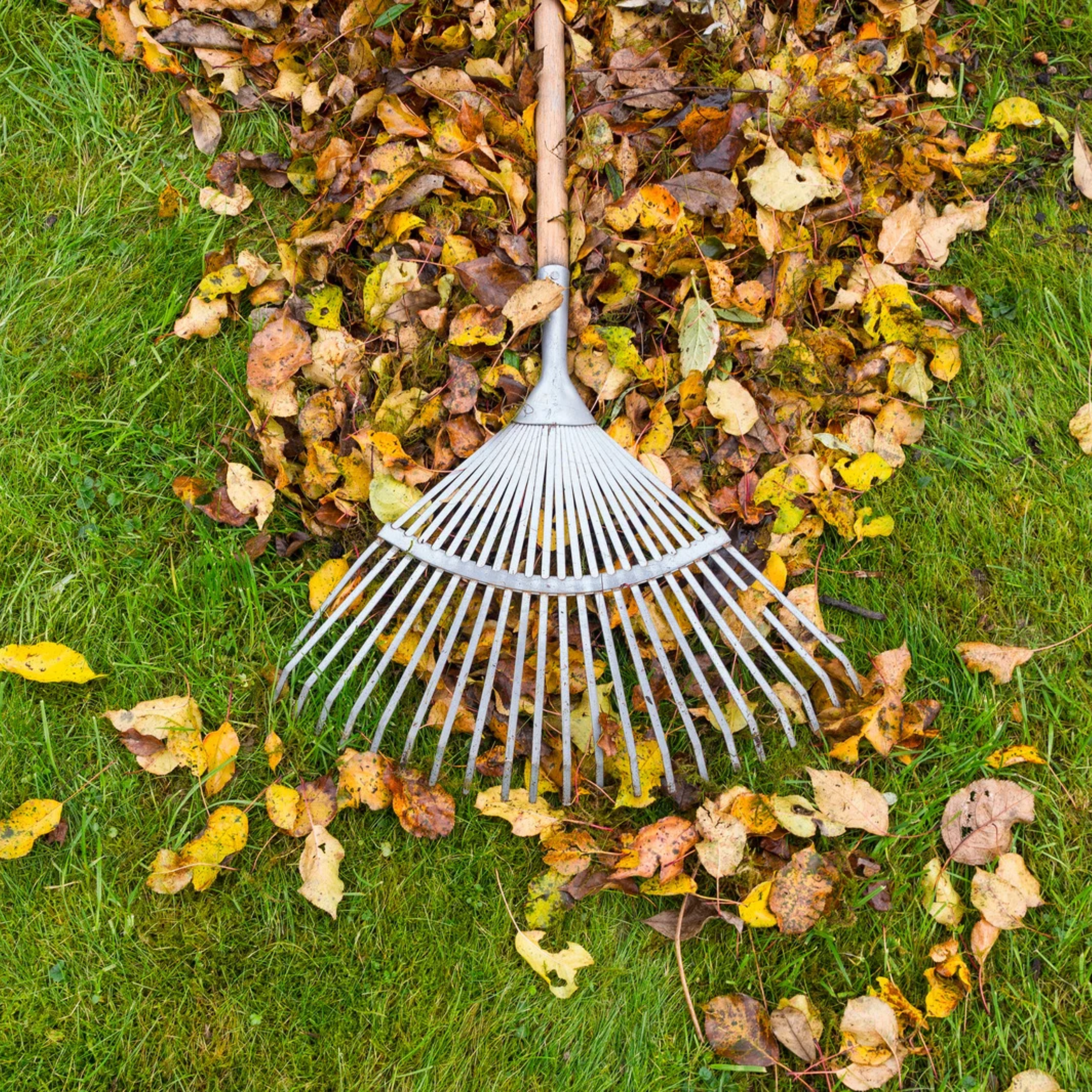
When you rake, blow, and bag every leaf, you aren’t “cleaning”, you are running a mass eviction campaign against our native ecosystem.
Save Some Money (and the Planet!)
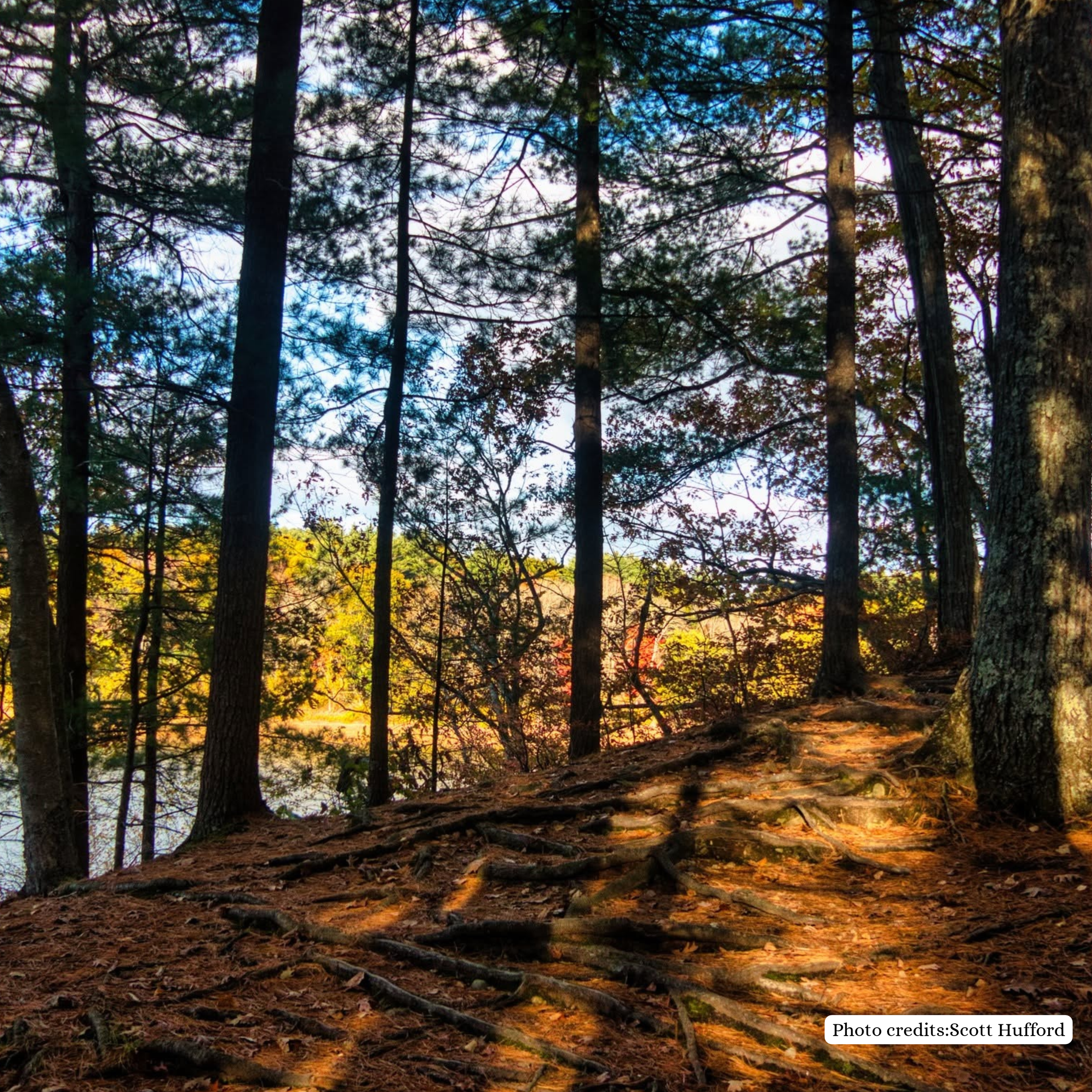
Think about the woods at Long Hill Reservation, JC Philips Nature Preserve, and Beverly Commons Conservation Area to name a few local areas to enjoy nature: Nobody goes into these places with a leaf blower to tidy up the oak and pine trees. The leaves fall, they decompose, and they feed the soil in a perfect, zero-waste loop. It’s a beautiful thing!
If you bag up your leaves for the dump, you strip your soil of vital nutrients like nitrogen and potassium. Then, come spring, what do we do? We drive to the local garden center and spend hard-earned cash on plastic bags of synthetic fertilizer and wood mulch. You are quite literally throwing away free organic fertilizer just to buy a chemical version of it six months later. Let the leaves rot in peace; your wallet and your dirt will thank you.
What a Lazy Gardener Actually Does Do
Now, being a “lazy gardener” doesn’t mean completely abandoning your yard to chaos and looking like an abandoned, haunted estate that passers-by and neighbors complain about. There is a big difference between a cozy native wildlife habitat and a biological hazard zone. If you want to keep the peace on the block and a healthy garden throughout the winter months, you can compromise:
Don’t leave a thick, suffocating carpet of leaves directly on your grass, or it will smother the lawn. Instead, gently rake or brush the whole leaves off the grass and into your flower beds, under bushes, and around the base of trees. They act as a natural mulch that keeps your perennial and tree roots warm all winter, helps prevent the leaf “litter” from blowing into the neighbor’s yard, and naturally decomposes feeding your soil. And never shred your leaves. Doing so may completely obliterate the beneficial insects cozying down for their long winter’s nap.
Although you want to leave your healthy perennials standing, you absolutely should get your hands dirty doing four specific things before winter sets in; and they really shouldn’t take much time at all.
If any of your plants suffered from powdery mildew, leaf spot, blight, or nasty pest infestations this summer, cut them down and pull them out immediately. Do not leave them to rot in your beds, and definitely do not compost them at home. Home compost piles just don’t get hot enough to kill harmful pathogens and pest eggs. Best to throw them right into the trash or burn them. The Standley Street compost site is also an option as those piles get plenty hot enough in order wipe out all those nasty infestations. Leaving those infected plants in your garden over the winter just gives those diseases and pests a warm place to hibernate only to hatch and attack your garden again come spring! No thank you.
Your old tomato vines, squash plants, and pepper stalks are done for the year. Pull them out to prevent soil-borne diseases and to stop opportunistic garden pests from laying their eggs beside your next year's dinner.
Summer annuals, like petunias, marigolds, and zinnias, won't survive a New England winter anyway. Pull them up so your soil is clear and ready for fresh spring planting.
Oh, and don’t forget to wash and sanitize your tools. We wouldn’t want to risk spreading any unwanted pathogens to healthy plants, trees, and shrubs the next time you use them. After washing off all the dirt with soapy water, use a cotton ball soaked in rubbing alcohol to sanitize. Easy. Done!
The “I’m Doing This on Purpose” Sign
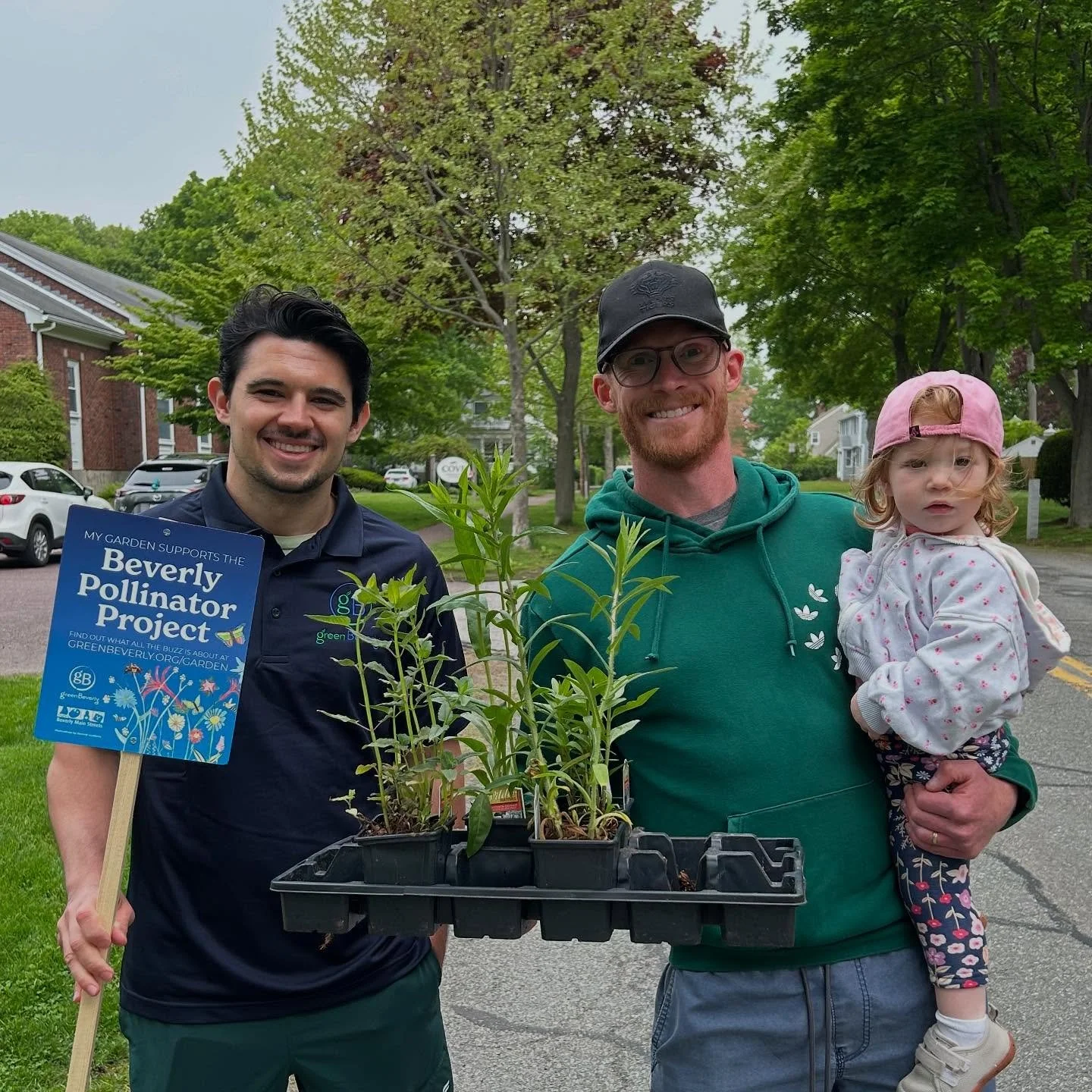
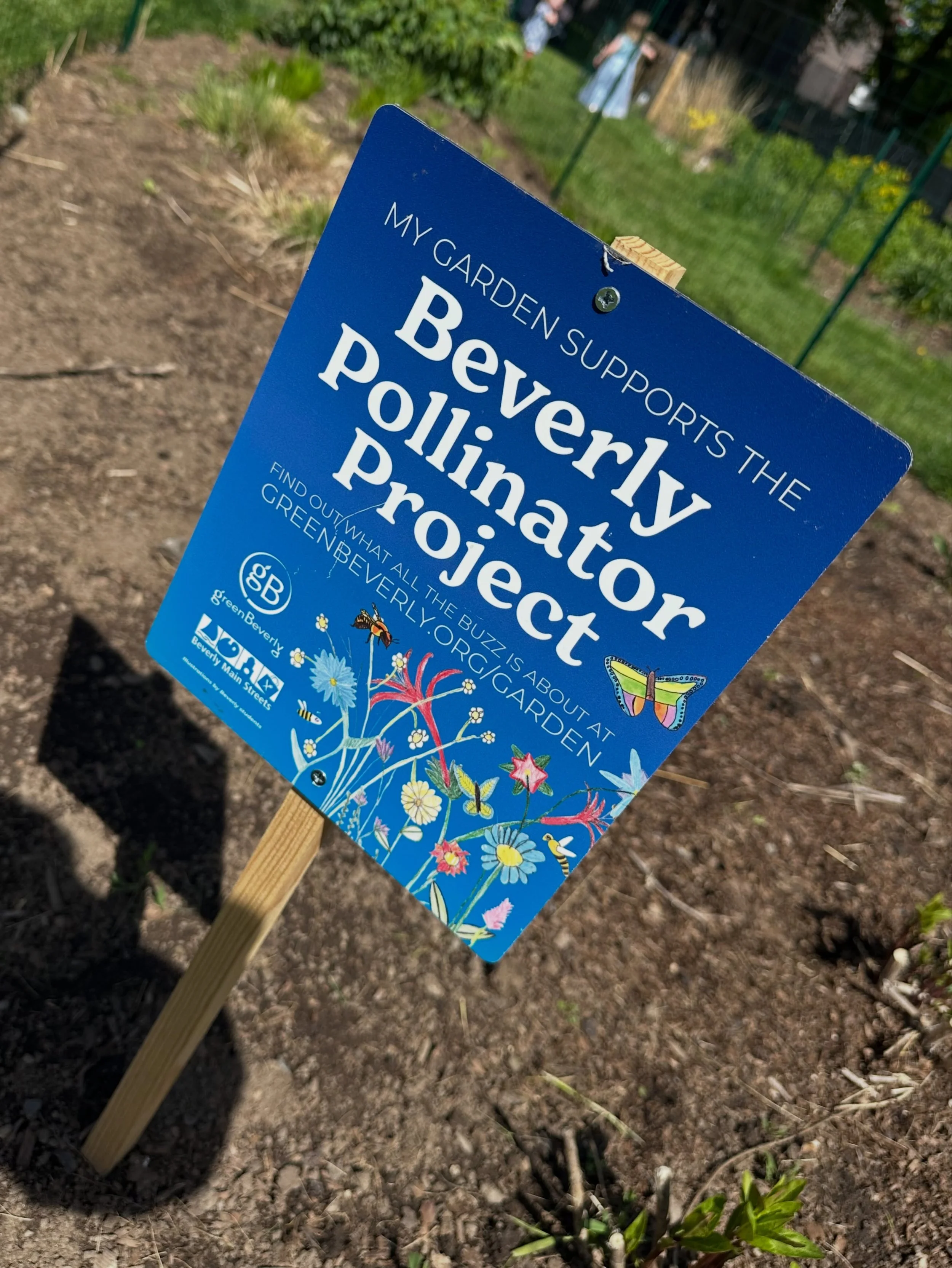
If you’re worried people will think you’ve just given up on yard work, showcase your support for pollinators with a Green Beverly Pollinator Project garden sign. Hopefully you’ve seen them around town. It instantly transforms you from “the messy neighbor” to “the sophisticated, forward-thinking environmentalist.”
If you already have a few native plants growing in your yard, kudos to you! Perhaps you’ll consider participating in Green Beverly’s Pollinator Pathway Map which will place your garden on the Pollinator Tracking Map. It’s easy, free and a lot of fun to see where our pollinators travel around Beverly.
50 is the Magic Number
Eventually, spring will arrive, and you will get the itch to tidy up. Do not rush out during the first warm weekend in March. Seriously. Don’t do it.
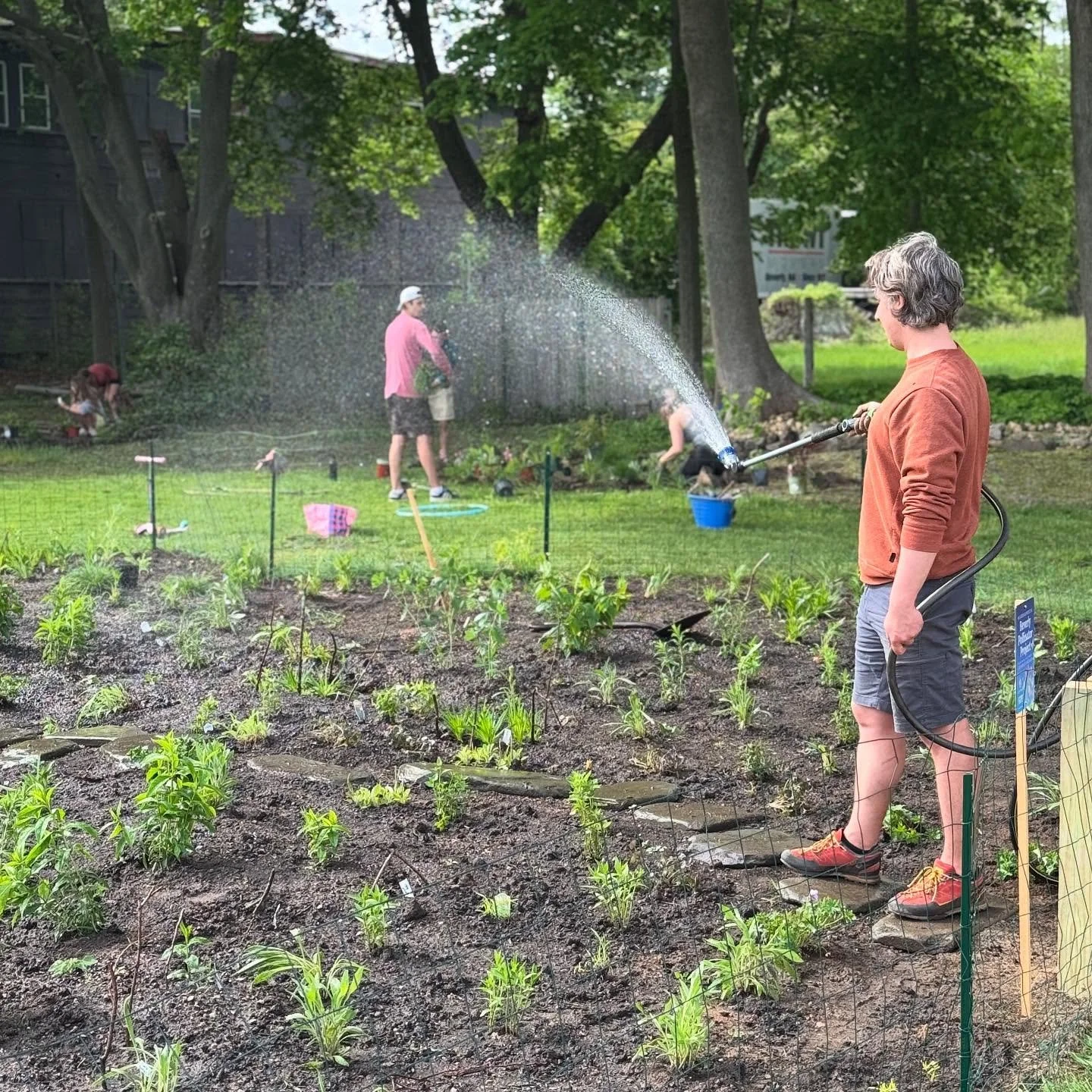
According to experts at The Xerces Society, the golden rule is to “wait until daytime temperatures are consistently above 50°F for at least a week”. On the North Shore, this usually means mid-to-late April or even early May. I know, I know, spring fever is really gripping us at this point, if not way earlier, but take a deep breath and resist the itch! (Calamine Lotion will not help by the way.)
If you clean up before we regularly hit that 50°F mark, the sleeping bees and butterflies will freeze to death in the chilly spring nights. When you finally do chop back those perennial stems at this point in spring, don't throw them away—leave about 8 to 12 inches of stubble at the base for next year's nests, and toss the cut stems loosely into the back of your garden beds so any late-bloomers can wake up and crawl out naturally. Those cut stems will naturally decompose right in place and continue to feed your soil. Along with those leaves, it’s a breakfast buffet for all creatures…. great and small! The soil will love it, too!
A Final Lazy Gardener’s Note
So, this fall when the urge to fire up the blower strikes, just remember: the bugs are sleeping, the soil is hungry, and you have much better things to do. Be gentle on yourself and the garden. Mother Nature has got this.